Optimal Timing for Veneer Repairs
Veneer repairs are most effectively performed during periods of stable weather, avoiding extreme temperatures and high humidity. Ideal conditions ensure proper adhesion and curing of repair materials, leading to longer-lasting results. Timing repairs during mild, dry seasons minimizes the risk of further damage caused by environmental stressors.
Monitoring the condition of veneers regularly helps identify issues early, allowing repairs to be scheduled at optimal times. Performing repairs when surfaces are dry and temperatures are moderate enhances the durability and appearance of the veneer restoration.
Late spring and early fall typically provide the best weather conditions for veneer repairs, with moderate temperatures and lower humidity.
Avoid repairs during periods of high humidity, heavy rain, or extreme heat to prevent adhesion problems and material failure.
Regular inspections can help plan repairs during optimal weather windows, reducing the need for rework or additional repairs.
Regions with consistent mild weather are ideal for scheduling veneer repairs, ensuring stable conditions for curing and bonding.
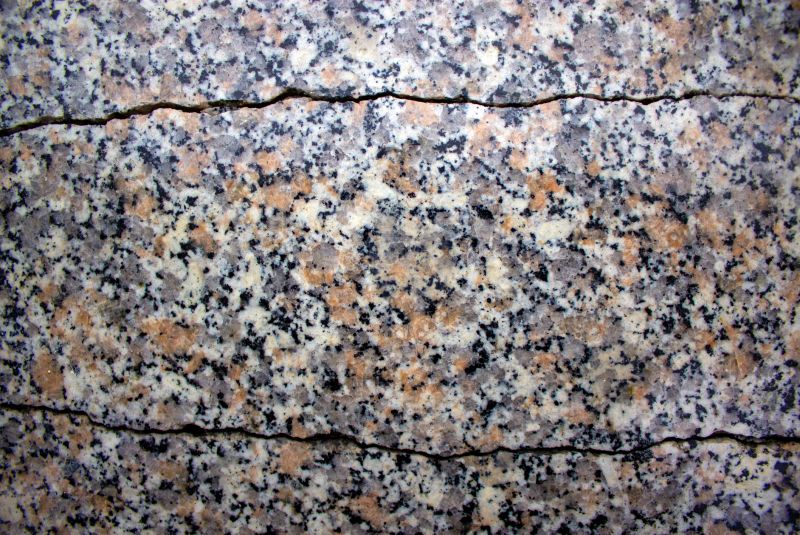
Proper cleaning and surface prep are essential before repairs.
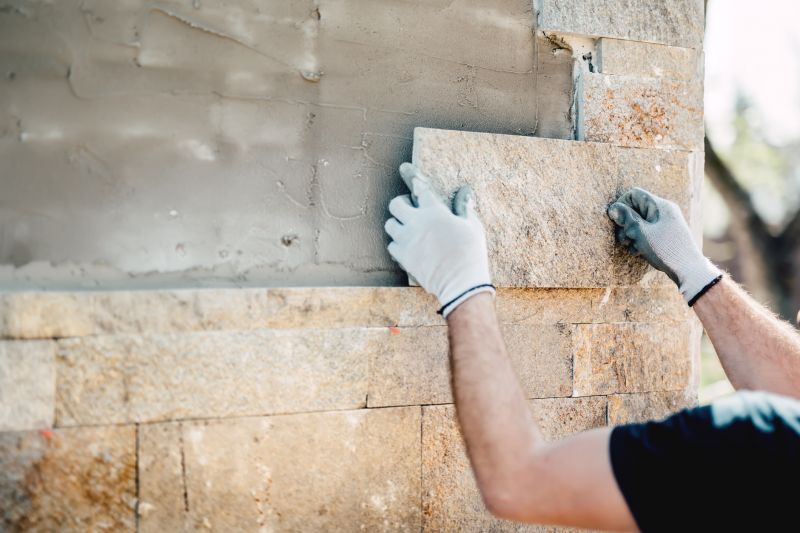
Use appropriate adhesive during optimal weather conditions for best bonding.
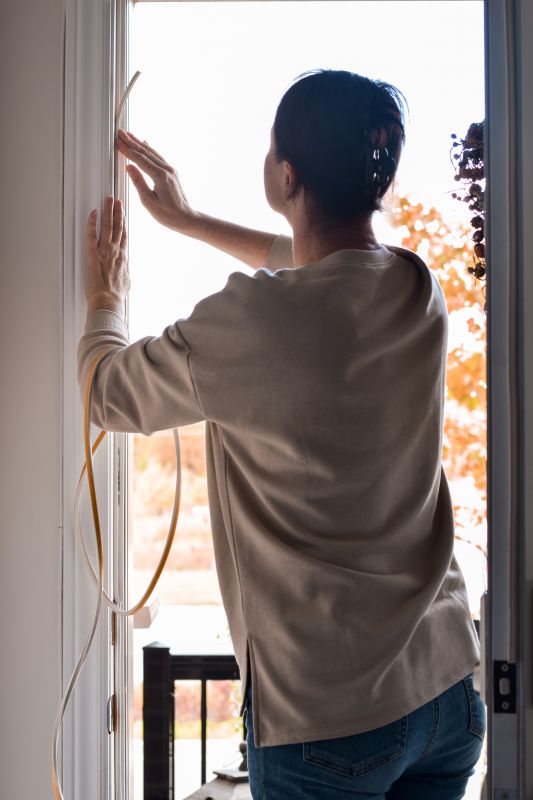
Repairs are best performed during stable weather to ensure adhesion.
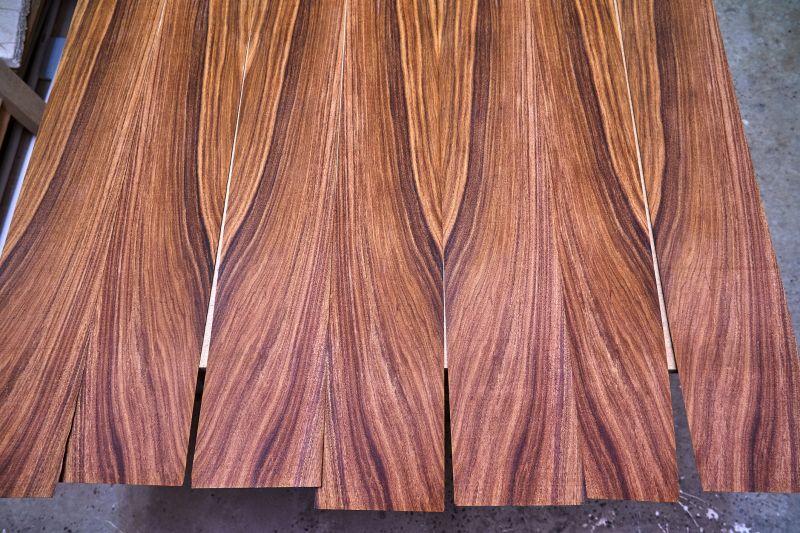
Proper curing results in seamless restoration.
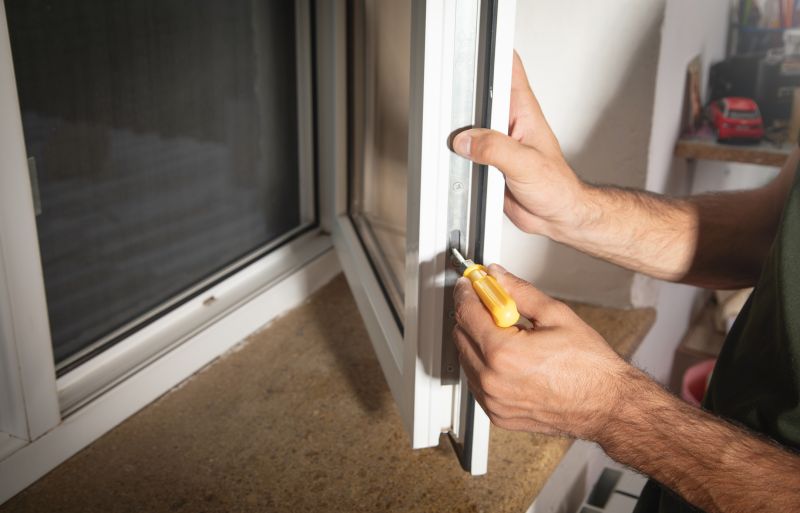
Indoor repairs can be scheduled regardless of weather.
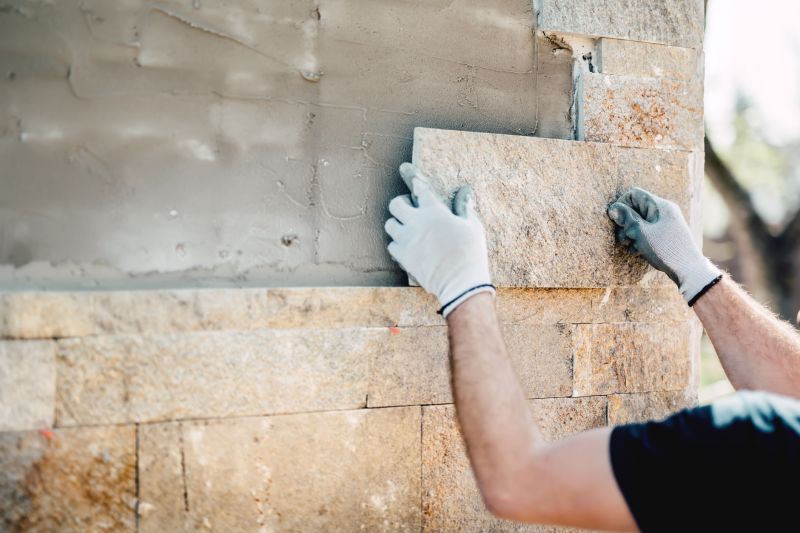
Early detection allows timely repairs during suitable conditions.
Plan repairs during seasons with predictable weather patterns.
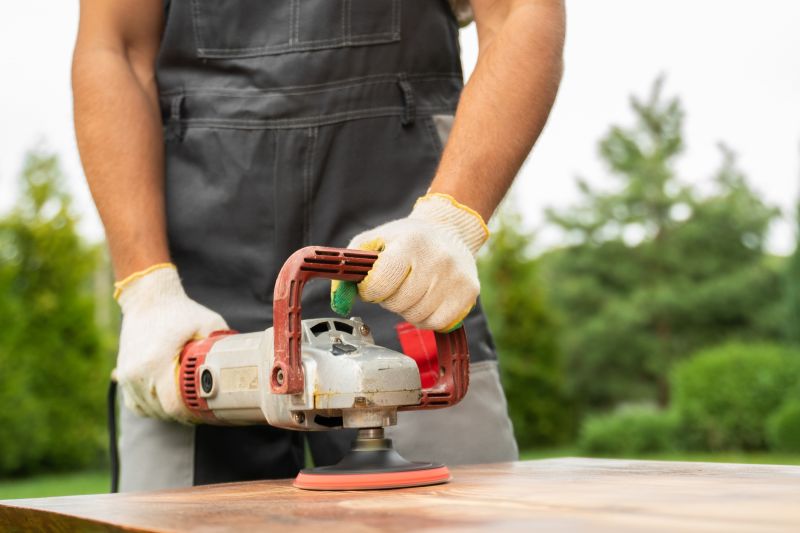
Tools are most effective when used in optimal environmental conditions.
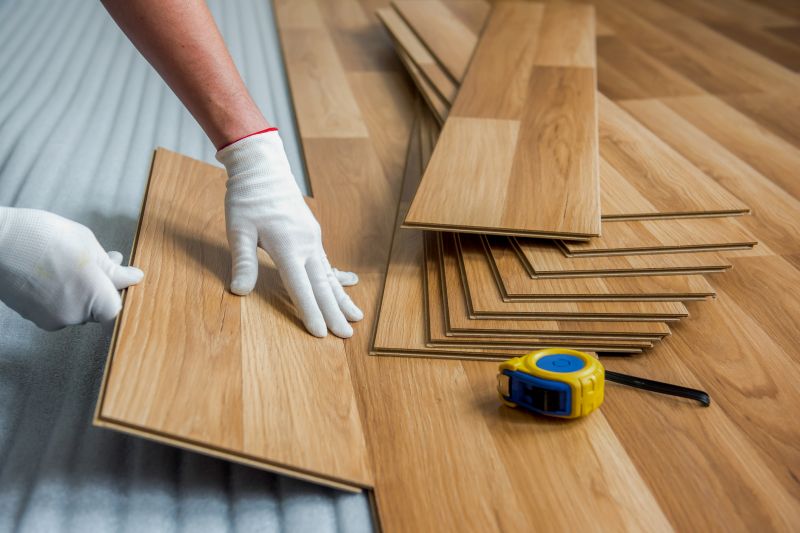
Ensure proper adhesion and finish after curing.
| Aspect | Recommendation |
|---|---|
| Temperature | Between 50-85°F |
| Humidity | 40-60% |
| Weather Conditions | Dry and mild |
| Season | Spring or fall |
| Time of Day | Morning or early afternoon |
| Indoor Repairs | Anytime with climate control |
| Preparation Time | Allow surfaces to dry thoroughly |
| Post-Repair Curing | Follow manufacturer guidelines |
Veneer repairs require careful timing to ensure optimal adhesion, appearance, and longevity. Environmental conditions such as temperature and humidity significantly influence the success of repairs. Scheduling during favorable weather minimizes potential issues like warping, peeling, or incomplete bonding. Regular maintenance and early intervention can extend the lifespan of veneers, maintaining their aesthetic appeal and structural integrity.
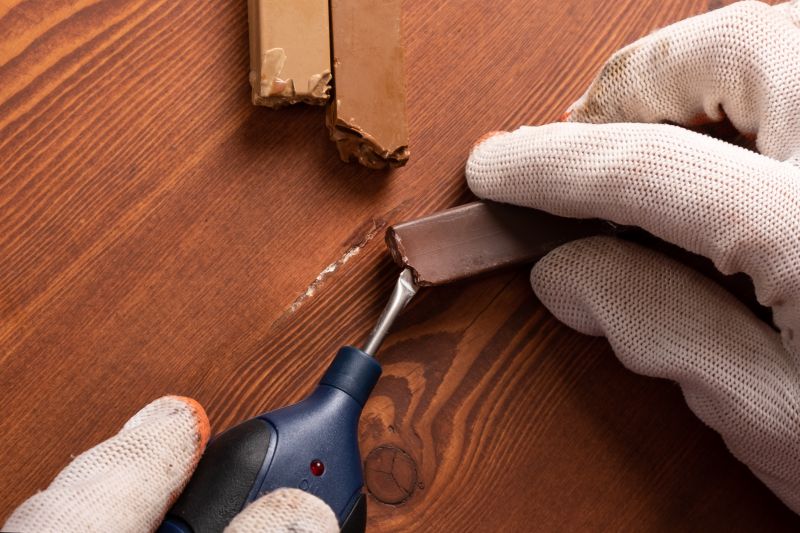
Step-by-step repair procedures performed under suitable conditions.
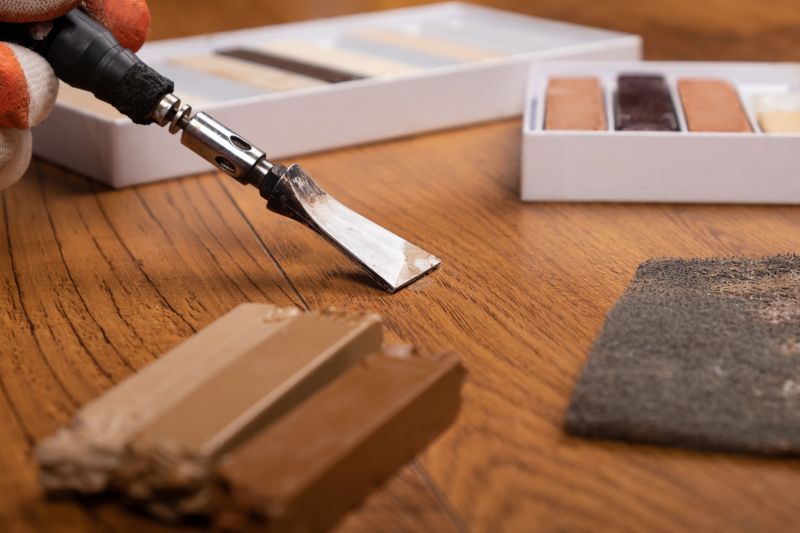
Essential equipment used in professional veneer restoration.
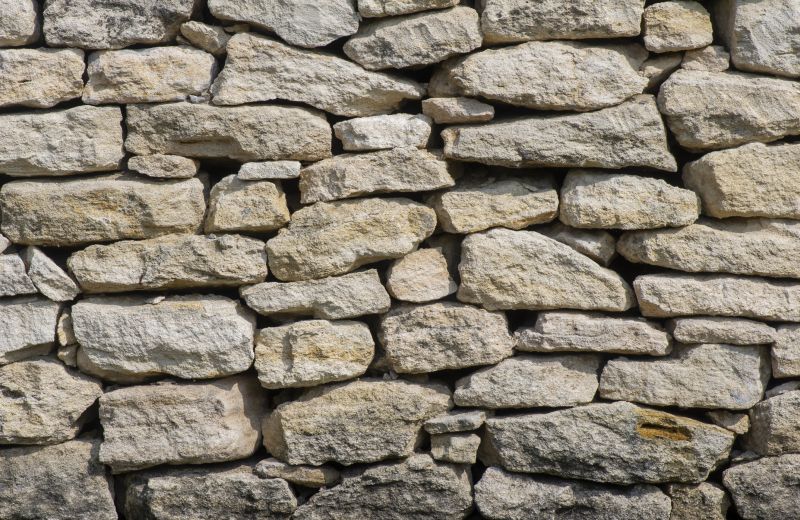
Showcasing the final result after proper timing and execution.
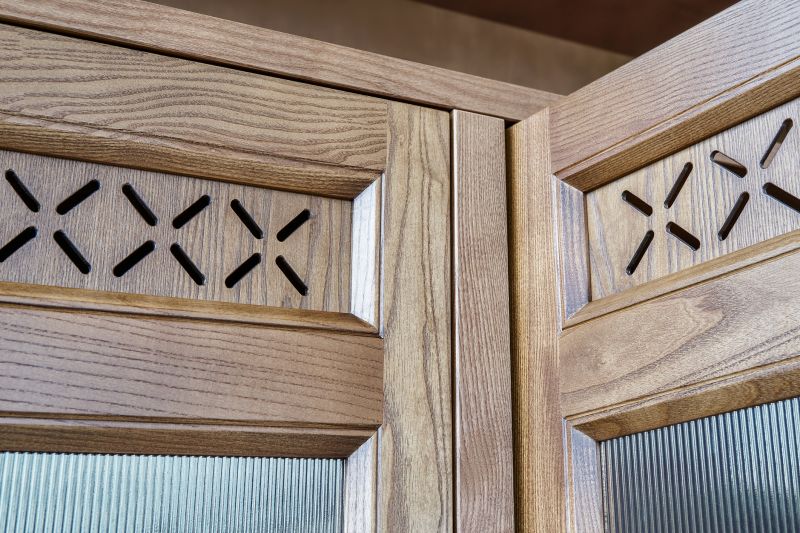
Highlighting the quality of repair and finish.
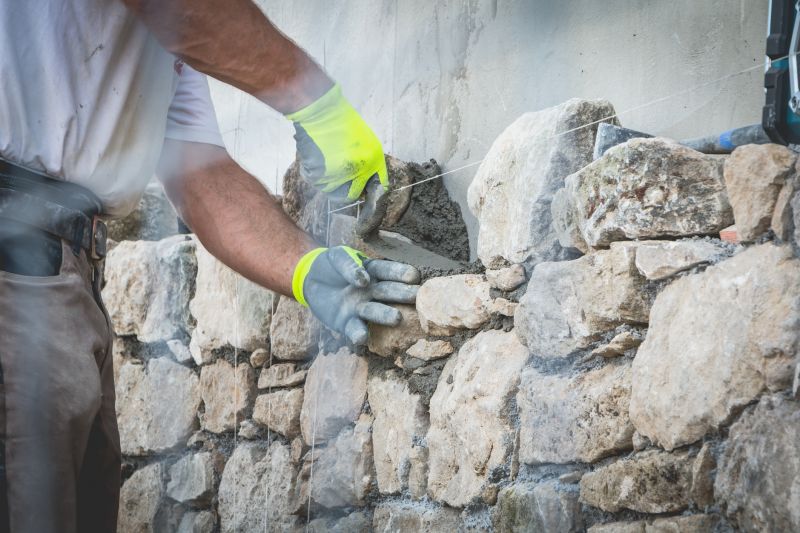
Ways to make Veneer Repairs work in tight or awkward layouts.
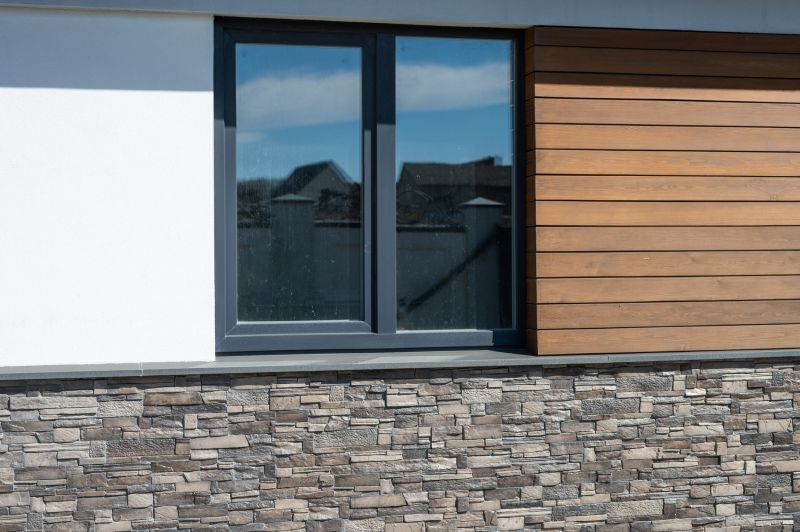
Popular materials for Veneer Repairs and why they hold up over time.
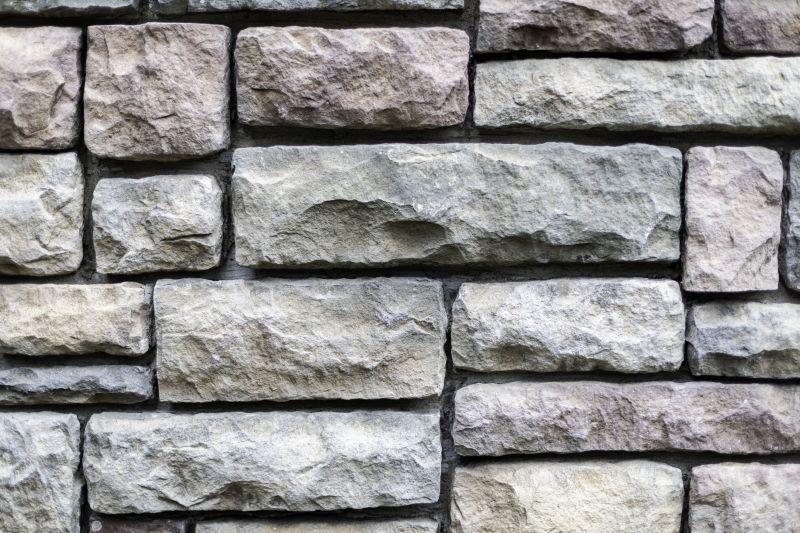
Simple add-ons that improve Veneer Repairs without blowing the budget.
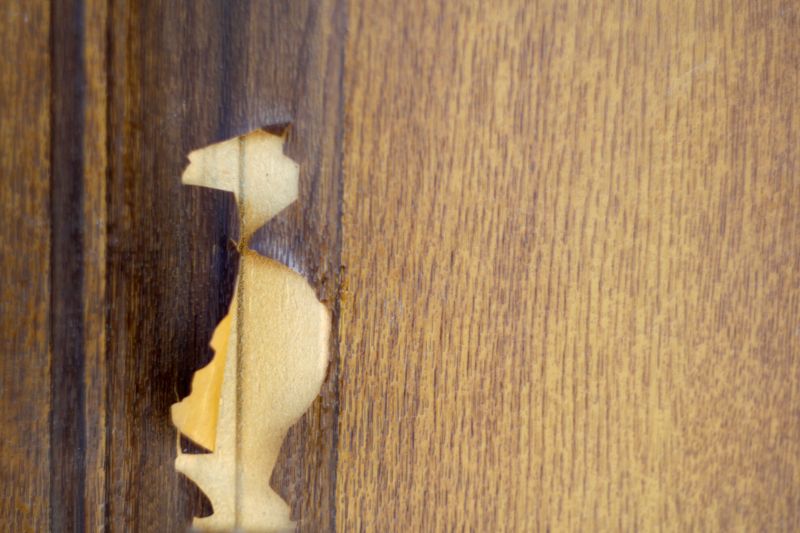
High-end options that actually feel worth it for Veneer Repairs.
Interested parties are encouraged to contact for further information or to schedule veneer repair services. Proper timing and preparation are crucial for achieving durable and visually appealing results.